

Online booking trends 2026 reveal demand for personalisation, 24/7 access, AI tools, and seamless mobile use. Learn what salons must embrace now.
Online Booking Trends 2026: What Salons Must Know
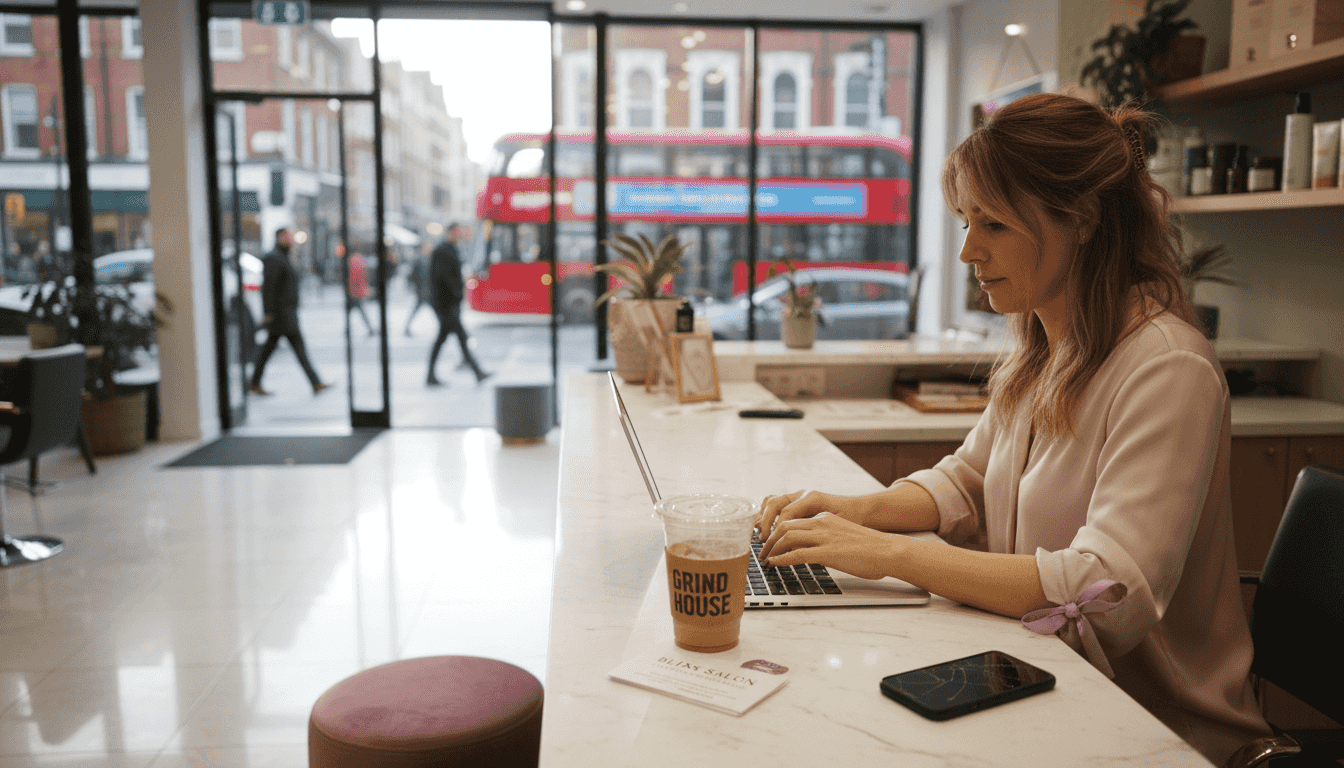
Clients no longer want to wait for a call back or queue on the phone. Instead, they expect to book their next appointment any time, from any location. With online gross bookings projected to reach $1.2 trillion by 2026 worldwide, salon and spa owners everywhere are under pressure to deliver fast, mobile-friendly, and personalised booking experiences. This guide explains what truly defines online booking for 2026, helping you attract new clients and keep regulars coming back.
Table of Contents
- What Defines Online Booking In 2026
- Emerging Booking Tech For Salons And Spas
- Client Expectations: Access, Personalisation, Speed
- AI Receptionists And Automation In Practice
- Maximising Success: Common Challenges To Avoid
Key Takeaways
| Point | Details |
|---|---|
| Evolving Expectations | Clients now demand seamless, personalised online booking experiences that provide real-time availability and upfront pricing. |
| Technology Integration | Successful booking systems must integrate with existing software and automate processes to reduce administrative burdens. |
| Accessibility and Speed | Clients expect 24/7 access to book with minimal friction and prompt confirmations to enhance their overall experience. |
| Implementation Challenges | Proper planning and training are crucial to avoid common pitfalls such as integration issues and poor staff adoption of new systems. |
What Defines Online Booking In 2026
Online booking in 2026 isn’t what it was five years ago. It’s evolved from a convenient option into the primary way salons, spas, and wellness businesses connect with clients worldwide. Your clients now expect seamless digital experiences, and the market is responding accordingly.
Online gross bookings are projected to reach $1.2 trillion by 2026, with nearly 65% of all global bookings happening online. This isn’t just travel anymore. Beauty and wellness services are following the same trajectory.
Here’s what truly defines online booking in 2026:
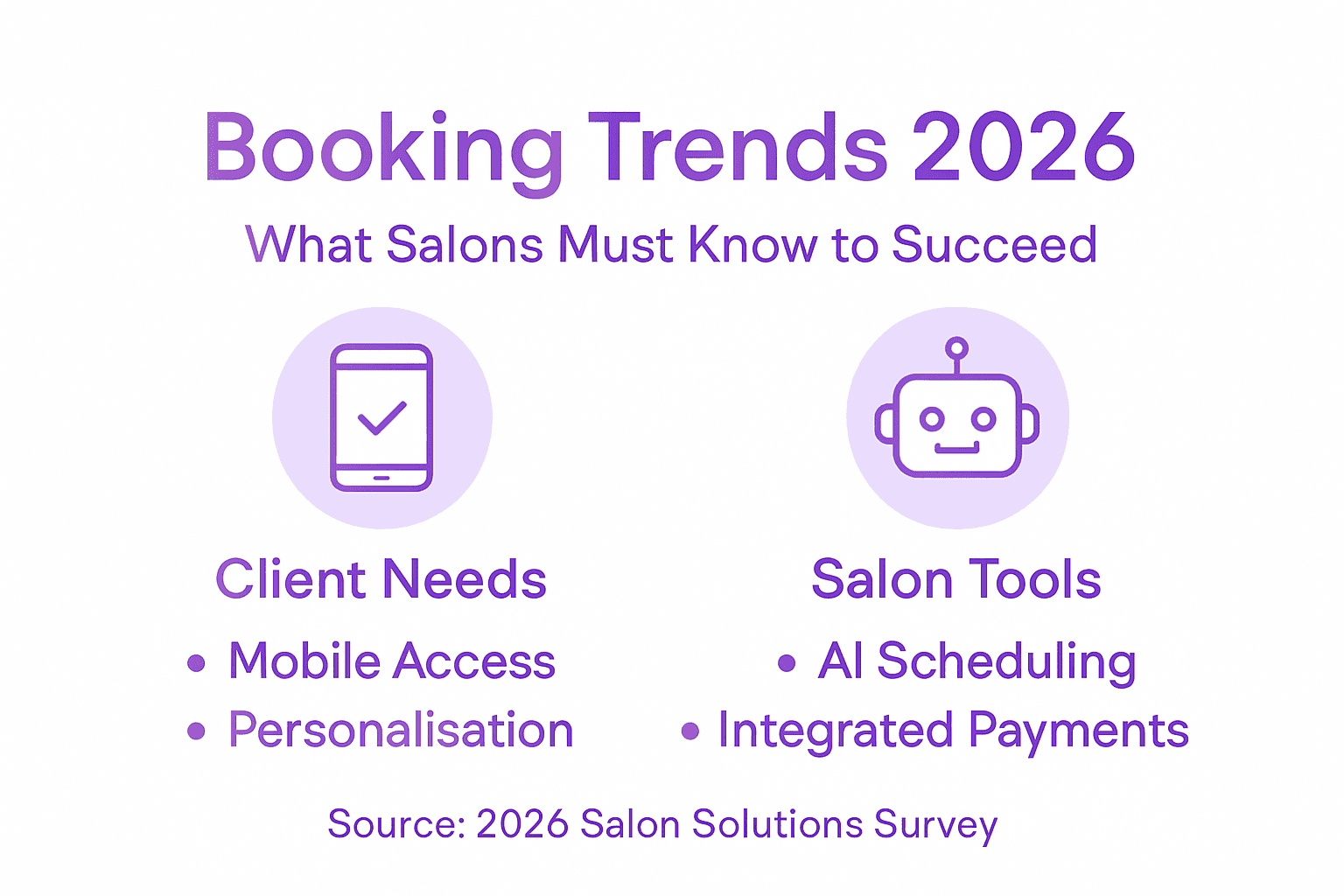
- Real-time availability that syncs instantly across all your platforms
- Mobile-first design because your clients are booking from phones, not desktops
- Multiple payment options so clients can pay however they prefer
- Personalised recommendations based on their booking history and preferences
- Automated workflows that handle reminders, confirmations, and follow-ups
- Seamless integration with your existing business systems
The shift goes deeper than just technology. Digital platforms have become trusted ecosystems that influence how clients decide where to book. Your booking system now shapes their entire experience before they even arrive at your salon.
Online booking in 2026 means offering convenience that feels personalised, not generic. Clients expect to know real-time availability, see pricing upfront, and receive instant confirmation—all from their phone.
Consumers now demand transparency. They want to see exactly what’s available, understand pricing without surprises, and get immediate confirmation. No more “I’ll call you back in 20 minutes” responses.
Automation is non-negotiable. From appointment reminders via SMS to post-visit follow-ups, your booking system should handle repetitive tasks so you focus on what matters: delivering excellent service.
Integration matters too. Your booking platform must connect smoothly with your client management system, payment processor, and communication tools. Fragmented systems frustrate both you and your clients.
The definition also includes accessibility across time zones and geographies. Whether your clients are local or international, they can book 24/7 without waiting for someone to pick up the phone.
Pro tip: Look for a booking platform that combines real-time scheduling, automated reminders, and integrated payments in one place—it eliminates the need to juggle multiple tools and reduces errors.
For clarity, here’s how leading booking system features drive results for salons and spas:
| Feature | What It Does | Business Impact |
|---|---|---|
| Real-time availability | Updates open times instantly across channels | Prevents double bookings and confusion |
| Mobile-first design | Optimises for smartphones and tablets | Increases booking conversion rates |
| Integrated payments | Accepts multiple payment types onsite | Improves cash flow and reduces errors |
| Automation workflows | Sends reminders, confirmations automatically | Reduces missed appointments and admin |
| CRM personalisation | Tracks client preferences/history | Encourages loyalty and repeat visits |
Emerging Booking Tech For Salons And Spas
The technology driving salon and spa bookings has shifted dramatically. What you’re seeing in 2026 isn’t just incremental improvement—it’s a fundamental rethink of how clients interact with your business.
Cloud-based solutions now dominate 70% market share, and the trend keeps accelerating. The spa and salon software market is growing at 10.72% annually, driven by technologies that actually solve real problems your business faces every day.
Here’s what’s actually available to you right now:
- AI-driven scheduling that predicts no-shows and optimises your chair time
- CRM integration that remembers everything about each client automatically
- Automated client reminders via SMS and email to cut no-shows dramatically
- Mobile booking apps clients install on their phones for instant access
- Embedded payment solutions so payments process smoothly during booking
- Real-time availability syncing across all your platforms simultaneously
These aren’t futuristic ideas anymore. They’re standard features on modern booking platforms, and they work. Salons using automated reminders report no-show reductions of 25-40%. That’s real money back in your pocket.
The technology that matters most isn’t the flashiest—it’s the technology that eliminates friction. Clients book faster, you spend less time on admin, everyone wins.
AI-driven scheduling deserves a closer look. Instead of manually juggling appointments, your system learns your patterns and automatically fills gaps with smart recommendations. It knows which stylists work best together, which services take longer than others, and which clients prefer morning slots.
CRM integration means your booking system remembers everything. Last visit date. Preferred services. Payment method. Notes about allergies or preferences. When a client returns, they feel recognised immediately.
Mobile-first technology is non-negotiable. Your clients browse salons on their phones. Your booking system must work flawlessly on mobile, or they’ll book somewhere else. It’s that simple.
Payment integration matters more than you’d think. When clients can pay during booking—not just when they arrive—completion rates improve. Fewer abandoned bookings. Better cash flow prediction.
Pro tip: Choose a platform that combines all these technologies in one place rather than connecting separate tools; integrated systems reduce errors, cut setup time, and give you better data insights about your business.
Client Expectations: Access, Personalisation, Speed
Your clients have moved on. They’re not calling salons anymore unless absolutely necessary. They expect to book online, get instant confirmation, and manage everything from their phone without friction.
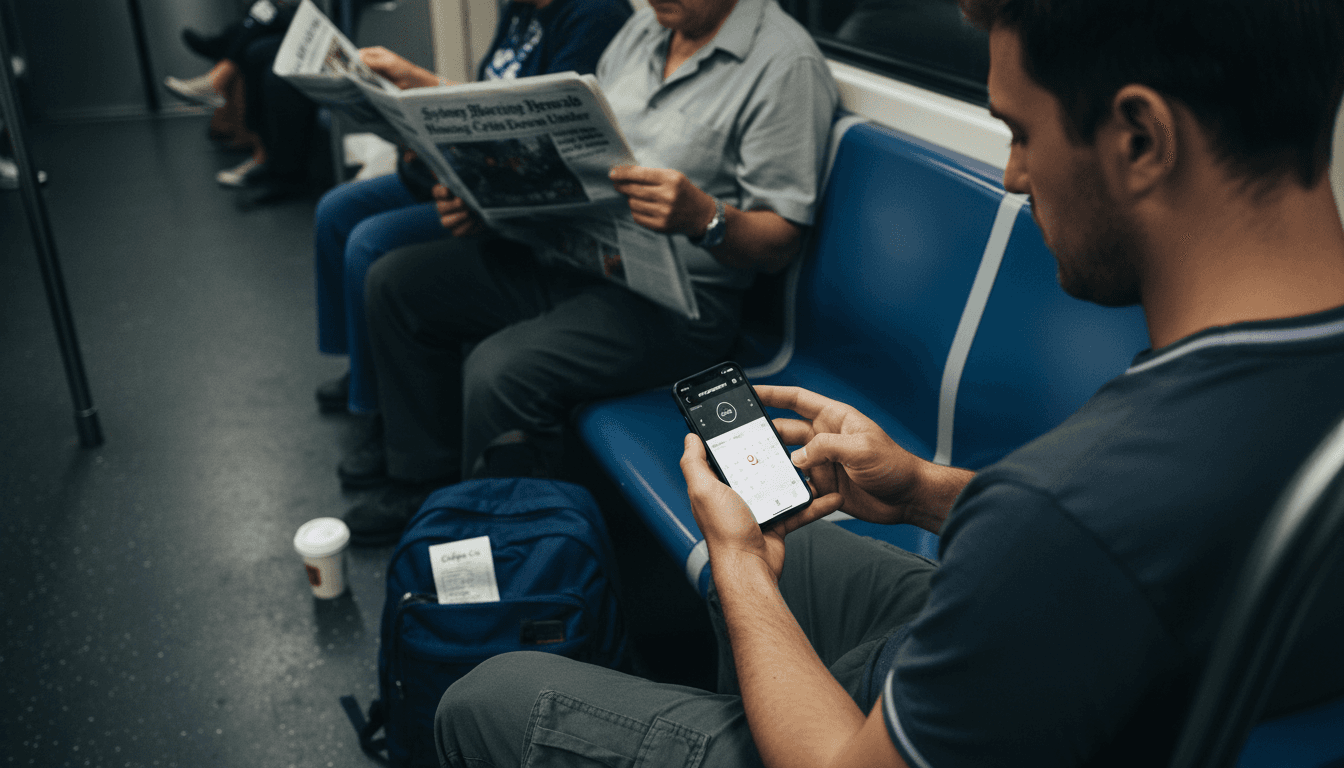
This isn’t a preference anymore—it’s the baseline. Mobile-first booking platforms allow clients to book anytime and receive instant confirmations, and clients now strongly prefer online booking over phone calls. Booking ease has become a decisive factor in where they choose to go.
Your clients expect three things above all:
- 24/7 access to book whenever they want, from anywhere
- Personalised experiences that remember their preferences and history
- Speed at every step—from browsing to confirmation to payment
Access means your salon is open for bookings even when you’re closed. A client in another time zone should be able to book a future appointment at midnight your time. They shouldn’t need to wait for business hours or get stuck in a phone queue.
Personalisation has become non-negotiable. Clients want your system to remember their last appointment, favourite stylists, and preferred services. When they return, they shouldn’t have to explain themselves again.
Speed is the new standard. A booking process that takes more than 60 seconds feels broken to modern clients. If it’s slow, they’ll book somewhere else.
Think about the experience from their perspective. They open your booking page, see available times instantly, select one, confirm payment, and receive an SMS confirmation—all in under a minute. That’s the standard now.
This isn’t just about convenience. Quick, clear booking experiences directly increase your booking rates and foster genuine loyalty. Clients return to businesses that respect their time.
Personalisation also means flexibility. Clients want to reschedule without calling. Update their preferences. Add special requests. Manage all of it online without human intervention.
The speed expectation extends to responses too. If a client books and doesn’t get an immediate confirmation, they assume something went wrong. Instant confirmations via email or SMS are essential.
Your booking system must also be transparent. Clients want to see exactly what they’re paying, which stylist they’re getting, how long the service takes, and what the cancellation policy is. No surprises.
Pro tip: Monitor how long your booking process actually takes from start to finish; if it exceeds 90 seconds on mobile, clients are abandoning it—test a simpler flow with fewer required fields.
AI Receptionists And Automation In Practice
Your phone rings constantly. Clients call to book. They call to reschedule. They call with questions about prices or services. Your team spends hours answering the same questions repeatedly, and every call is one less moment spent on actual client care.
AI receptionists change this dynamic completely. These systems handle incoming calls and messages 24/7, answer common questions, confirm bookings, and only escalate complex issues to your actual staff. The result: your team works on clients, not on managing inquiries.
Here’s what automation actually handles:
- Incoming call screening that answers, greets clients, and routes them appropriately
- Booking confirmations via SMS and email triggered automatically
- Appointment reminders sent 24 hours before appointments to reduce no-shows
- Cancellation requests processed instantly without human intervention
- Rescheduling managed automatically when clients need to change times
- Common question responses about pricing, services, and policies
The practical impact is significant. When a client books online at 2 AM on a Sunday, they immediately receive an SMS confirmation. No follow-up call needed. No email ping to your inbox. The system handles it.
Automation doesn’t replace your team—it eliminates the work that prevents your team from doing their best job. Your staff focuses on clients, not admin.
Consider a typical Monday morning scenario. Without automation, your phone rings constantly with cancellations, rescheduling requests, and new bookings. Your receptionist spends three hours just managing calls. With automation, the system handles most of this, and your receptionist only fields the unusual situations requiring human judgment.
Reminders are particularly powerful. Automated SMS reminders sent 24 hours before appointments reduce no-shows by 25-40%. That’s direct revenue impact. Clients appreciate the reminder too—it shows you’re organised and professional.
The system learns from patterns over time. It recognises peak calling times and can provide faster responses. It knows which clients typically call with reschedules versus new bookings. This intelligence helps your team anticipate needs.
Payment processing also benefits from automation. When clients pay during booking instead of arriving to pay, you reduce cash flow uncertainty and administrative work on checkout day.
One concern: will clients feel frustrated talking to AI? In practice, when the AI is helpful and quick, clients don’t mind. They only get frustrated when the system is slow or can’t solve their problem. A good AI receptionist solves 70-80% of client interactions completely.
Pro tip: Start with automating reminders and booking confirmations before adding call handling; these two changes alone will cut your administrative workload by 30% and improve client satisfaction immediately.
Maximising Success: Common Challenges To Avoid
Implementing a new booking system sounds straightforward until you actually try it. Your team resists change. Your old system doesn’t integrate smoothly. Client data goes missing. Double bookings happen. These aren’t rare problems—they’re predictable obstacles you can avoid with proper planning.
The biggest challenge most salons face is integration difficulties with existing workflows. Your new booking platform needs to connect with your payment system, client management software, and communication tools. If these don’t integrate cleanly, you’ll end up managing multiple systems manually, defeating the entire purpose.
Here are the obstacles that derail most implementations:
- Poor integration that forces manual data entry between systems
- Inadequate staff training leaving your team confused and frustrated
- Security and privacy concerns about client data protection
- Failure to maintain personalisation resulting in generic client experiences
- Technology that doesn’t adapt to your specific business needs
- Resistance to change from staff who prefer old processes
Many salons make a critical mistake: they choose a platform based on price or features without considering how it fits their actual workflow. Then implementation becomes painful because the system doesn’t match how your team actually works.
The right platform adapts to your business, not the other way around. If you’re constantly fighting the system, you chose wrong.
Double bookings remain shockingly common. This happens when your old manual system and new platform exist simultaneously, creating confusion about which calendar is accurate. Commit fully to the new system on day one, not gradually.
Staff training is where most implementations fail silently. You buy excellent software but don’t invest time in teaching your team properly. They use it reluctantly, enter data incorrectly, and the whole system produces garbage results. Training must happen before launch, not after problems appear.
Data security terrifies many salon owners, and rightfully so. Client payment information and personal preferences need protection. Choose platforms that comply with payment card industry standards and offer clear data privacy policies.
Personalisation matters more than you’d think. Your new system must remember client preferences, last visit dates, and service history. If it doesn’t capture and use this information automatically, your clients feel like you’ve forgotten them.
Managing changing client preferences is ongoing. Your system must allow clients to update their information, change their preferences, and manage their own profiles. This reduces work for your team and improves client satisfaction.
Pro tip: Plan your implementation timeline carefully—pick a slower week to launch, train staff thoroughly before going live, and keep your old system running for two weeks as a backup whilst everyone adjusts.
Below is a summary of common implementation challenges and how to address them for a smooth transition:
| Challenge | Common Consequence | Mitigation Approach |
|---|---|---|
| Integration difficulties | Manual data transfer, errors | Choose platforms with open APIs |
| Poor staff training | System misuse, data inaccuracies | Schedule thorough pre-launch training |
| Data security concerns | Privacy risks, client distrust | Use PCI-compliant, secure platforms |
| Resistance to change | Delays, low adoption | Communicate benefits, offer support |
| Loss of personalisation | Generic client experience | Ensure CRM features are enabled |
Transform Your Salon’s Online Booking Experience in 2026
The challenges highlighted in “Online Booking Trends 2026: What Salons Must Know” make it clear that salons and spas need a seamless, automated, and personalised booking solution to thrive. Issues like integration difficulties, slow booking processes, and administrative overload hold your business back from meeting client expectations for 24/7 access, real-time availability, and instant confirmations.
Xolapp is designed precisely to solve these pain points. With a comprehensive platform that centralises online appointment scheduling, client management, payment processing, and automated SMS reminders, your salon can reduce no-shows and streamline operations without technical hassle. The built-in AI receptionist handles communication effortlessly so your team can focus on delivering exceptional service. Discover how Xolapp’s mobile-first design and real-time syncing empower your business to meet the speed and personalisation your clients demand.
Ready to elevate your salon with the trends that define online booking in 2026? Visit Xolapp to start your free trial now. Explore how our all-in-one platform integrates scheduling, automated reminders, and payments in one simple interface at https://xolapp.com and take the first step to transforming client experience and operational efficiency today.
Frequently Asked Questions
What are the key features of online booking systems in 2026?
Online booking systems in 2026 should offer real-time availability, mobile-first design, multiple payment options, personalised recommendations, automated workflows, and seamless integration with existing business systems.
How can automation benefit my salon’s booking process?
Automation can reduce administrative tasks by sending appointment reminders, confirmations, and handling cancellations or reschedules, allowing staff to focus more on client care.
Why is mobile access important for salon booking systems?
Mobile access is crucial because clients prefer to book appointments on their smartphones. A mobile-optimised booking platform enhances user experience and increases booking conversion rates.
What challenges should salons expect when implementing a new booking system?
Salons may face challenges such as poor integration with existing workflows, inadequate staff training, data security concerns, and potential resistance to change from team members.